There’s one part of SMART goals that still doesn’t get enough love.

“80% of New Year’s resolutions fail by February.”
“Only 8% of New Year’s resolutions are successful.”
Like me, you’ve heard these depressing and oft-repeated statistics. Quite possibly, you’ve joined the ranks of the intellectually enlightened who scoff at the naivete of annual resolution-making rituals and pragmatically embrace their deficiencies instead.
And then there are some among us whose hatred of New Year’s resolutions seems almost visceral. The mere mention of resolutions is enough to produce a scowl of disgust and a healthy rant to boot.
Why all the hate?
I believe the main reason is that at one time or another, these cynics tried setting resolutions themselves. Lose weight. Work out more. Save more money. Spend more time with family. Be a better human being.
At the outset of these resolutions, there was hope. There was optimism. There was the promise of real and lasting change. Often, the resolutions were announced with fervent passion and great fanfare to family and friends.
And then inevitably, the resolutions failed. Old habits crept back in. Resolve weakened. And before they knew it, the ways of December had returned.
Disappointment, humiliation, and frustration followed. So, like a jilted lover, these resolution-makers vowed “Never again.” Never again will I set myself up for such personal disappointment or public humiliation. Never again will I waste time with this foolishness.
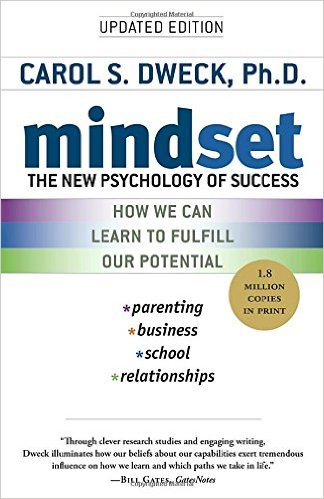
I can’t fail if I don’t attempt, goes the subconscious logic. It’s a form of emotional self-defense. It’s what Carol Dweck calls the fixed mindset, when we allow the fear of failure to prevent growth.
I have good news for these doubters, however. The good news is that New Year’s Resolutions can and do work. You only hate them because you’re doing them wrong.
“If you aim at nothing, you will hit it every time.” — Zig Ziglar
A quick note on semantics. If you’re a resolution hater, try replacing resolutions with goals. For some, resolutions are more easily associated with the sorts of vague, nebulous platitudes that inevitably end in failure, while goals align better with targeted, specific growth or change.
Now that we’re clear on language, we need to address the most underrated and yet most powerful part of goal-setting: numbers.
You’ve likely heard of SMART goals, so let’s begin there. You’ve heard that effective goals must be:
- Specific
- Measurable
- Achievable
- Realistic & Relevant
- Time Limited
It’s a fantastic formula, and I do believe each piece of that formula is critical. Yet there’s one bullet that — based on personal experience — dwarfs the other four in importance.
Measurable is EVERYTHING.
If your goal doesn’t have a number in it, it’s worthless. If you have no way to quantify your goal or check for success at the end of your timeline, you are literally wasting brainpower even thinking about it.
I believe this needs to be shouted from the rooftops. Stop wasting your time setting goals — any goals — that don’t contain numbers.
Instead, set goals that are measurable, quantifiable, empirical. Start obsessing about data. Track your life in every area that’s important to you.
To show you what I mean and how I’m applying this, here are some of my measurable goals for 2018:
- Financial: Reduce the amount owing on our HELOC by 25%. (End of February: +10%.)
- Marital: Complete 36 ‘State of the Union’ update discussions with my wife in 2018. (End of February: 6/36.)
- Paternal: Complete 12 monthly stepdad summits. (End of February: 2/12.)
- Physical: Complete 45 push-ups in one set. (End of February: 35.) Earn a time of under 50 minutes in a 10 kilometer run on April 22nd. (Result to come.) Work out at Anytime Fitness 156 times. (End of February: 26/156.) Run a total of 156 km. (End of February: 9.8/156 km.) Record less than 120/80 BP. (End of February: 125/86 was best reading.)
- Professional: Complete year 1 of MEdL degree. (End of February: 7/12 months completed.)
- Self-Improvement: Finish reading 12 books. (End of February: 1/12.) Purge 52 items of clothing. (End of February: 8/52.) Complete 52 bedtime journal entries. (End of February: 25/52.) Write and publish 52 blog posts. (End of February: 6/52.)
- Social: Complete 10 father-son conference calls. (End of February: 2/10.)
I lay out all of these goals and more in a spreadsheet, and now check these goals more often than I have in five years of following the practice. They keep me grounded, focused, and motivated. I press on in each of these areas partly because I can see progress. I feel momentum. I see reasons to be encouraged.
Think back to some of the classic New Year’s resolutions we’ve all set for ourselves in the past. Lose weight. Get in better shape. Save more money. Spend more time with family. Be a better human being.
Those goals have little chance of success because they’re difficult to track. You’re not going to stay motivated to make better choices for 365 days based on eat healthier. But you ARE going to stay motivated so long as you can measure and track incremental progress.
So start journaling everything. Obsess with data. Take five minutes each morning and update your life’s activity in all the areas that matter. And I promise that you’ll see results like you’ve never seen before.
There’s no time like the present to stop hating resolutions. Embrace goal-setting with all you’re worth. And if you care about success, make them measurable.
 Tim Cavey