Categories
Finances Productivity Self-Actualization

The Exceptional Power of Public Accountability

Want to achieve big goals this year? Try putting them in print.

There’s no such thing as a slam dunk commitment. But when intentions are declared out loud, they tend to be just a little more sticky. They carry a little more weight.

They raise the stakes.

There are plenty of examples of this in public life. It’s the reason why weddings — despite concerning rates of divorce — still garner plenty of attention and fanfare. Though marriage has become passe in some circles, there’s still something about vows made in front of witnesses that means a lot.

It’s why we pay attention to what our politicians say in public (and by extension, it’s why a free and robust press is foundational to a healthy democracy). It’s why signed contracts in the world still warrant headlines. It’s why when CEOs at major corporations make announcements, the markets respond accordingly.

Facing the Fears

We’re often reluctant to declare goals out loud because of the social risk. It’s so easy to imagine the pushback months down the road.

  • “Didn’t you say you were going to lose 20 pounds this year?”
  • “I thought you were going to apply to law school. What happened to that?”
  • “So what ever happened to the book that you were planning to write?”

We can hear the snickers and see the sneers.

Channel the Energy

What would happen, though, if instead of backing down in the face of those fears, we embraced the pressure they signal. I mean, what if we really leaned into the power of audience.

This is something I’ve thought a lot about lately. Just a couple of months ago, I decided to finally — finally — FINALLY start writing on a weekly basis.

And in my writing, I’ve tried to be real. Real about where I’ve been. Real about where I want to go from here. In posts like My 27 Goals for 2019, I’ve really put it out there.

Some Public Goals and Decisions

In fact, since my first article on Medium in October of 2017, I’ve shared the following goals and decisions:

  • I’m working on a Master’s degree.
  • I keep my phone out of the bedroom at night.
  • My wife and I will not borrow money to buy a vehicle.
  • I’m going to start a podcast (this became reality in March of 2018).
  • I don’t eat potato chips, French fries, or non-alcoholic sugary drinks.
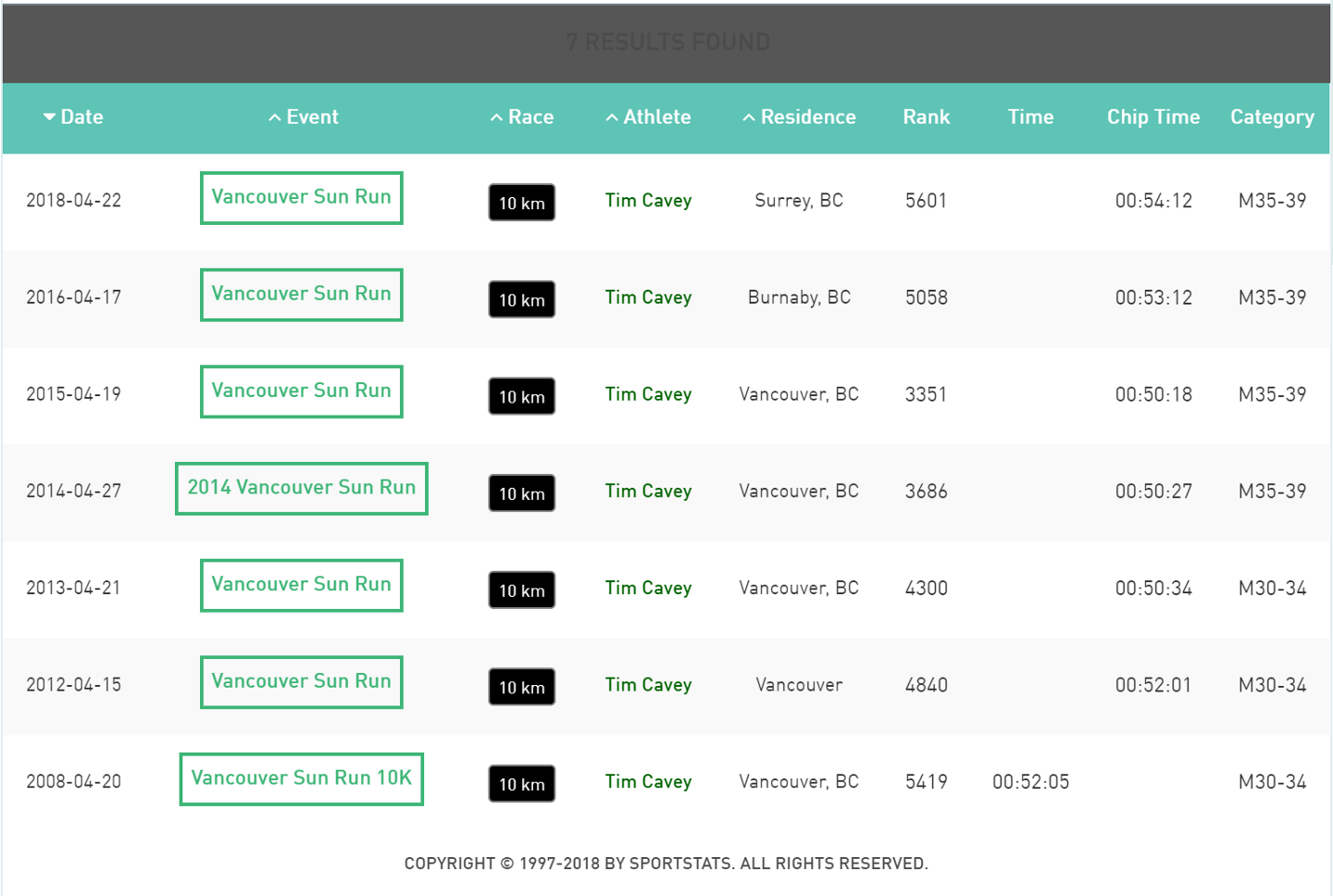
  • I’m going to try to finish the Vancouver Sun Run (10 km/6.2 miles) in <50 minutes.
  • My family eats dinner at the dining room table sans screens — not in front of the TV and not with phones present.

Find the Tipping Point

Of course, I’ve set a ton of other goals and made a ton of other decisions in terms of how I live my life, but I share these examples in particular because they each represent terrific battles. They’re not always things I want to do in the moment.

Mind over matter, spirit over flesh — each of these goals and decisions invites powerful opposition from a dark part of me that wants to settle, wants comfort, wants less struggle and more status quo.

And sometimes, that dark part of me speaks very loudly. When I’m BLASTed (Bored, Lonely, Angry, Stressed, or Tired), it’s hard to find the resolve to resist McDonald’s fries and run 3 miles instead.

But do you know what helps me win in every case? Public accountability.

I’ve literally told so many family members, friends, colleagues, and readers that I’m going to do X and not do Y that I paint myself into a corner.

I leave myself with no choice. Either I press onward, or my credibility takes a beating.

So call it pride. Call it dignity. But I want my word to mean something. I want to be a man that follows through. I want to be intentional and committed and reliable. And as a result, I press on.

Life’s Wins Never Come Easily

As Dave Ramsey likes to say, “You can wander into debt, but you can’t wander out of it.” As it is with financial freedom, so it is with most of life’s wins.

But if you’re looking to make permanent changes, chart better courses, and realize bigger dreams, may I recommend embracing the power of accountability.

Take a look at the goals you wrote on that piece of scrap paper, and tell someone. Share your decision. Write about your plans.

Raise the stakes. You’ll be glad you did.

Because there’s excpetional power in public accountability.

Categories
Career Content Creation Education Finances Goal Setting Productivity Self-Actualization

27 Goals for 2019

My targets are clear, quantified, and higher than ever.

Photo credit: @Alexanderredl

Last year I made the case for setting New Year’s goals and resolutions, explaining that most critiques or dismissals of goal-setting amount to a failure to recognize that goals must be measurable.

Putting it bluntly, if your goals aren’t quantifiable, they’re a waste of time. And yes, the cliches apply. Goals like “eating healthier” don’t make it past the second week of January. They’re meaningless because the success criteria isn’t clearly defined.

So with quantities in mind, I’m looking for big results this year. I’m hoping that by sharing these targets, you might be encouraged and inspired, too!

Here are my 2019 goals, by the numbers.

Physical

  • Work out at Anytime Fitness 156+ times.
  • Run a total of 156+ km. Now that I have a weekly running partner, this one might get blown out of the water. But years of inconsistency in this area make me cautious.
  • Run the 10 km (6.2 miles) Vancouver Sun Run in <50 minutes with 40,000 other runners. The under-50 time has been an elusive goal for the last decade. I was 0:19 away in 2015.
  • Complete 42 push-ups in one set.
  • Complete 15 reps of 135 pounds on the bench press.
  • Continue diet of no French fries, chips, or non-alcoholic sugary drinks.
  • Monitor and maintain optimal blood pressure averages for 2018.
  • End 2019 at 179 lbs (I’m currently 188).

Self-Improvement

  • Read 15 books on my Kindle. Connect with me on Goodreads to see what I’m reading!
  • Write 104+ blog posts.
  • Purge 1+ clothing item/week.
  • Complete 104+ bedtime journal entries (handwritten).
  • Complete 104+ morning reflection and prayer journal entries.

Financial

  • Pay off our HELOC (home equity line of credit) by an average of $500/month. This thing has been in existence since we purchased our home in 2015, and it’s time to make some serious progress.
  • Earn an average of $50/month or from Medium publishing and other online activities.
  • Give $5 more per month to charitable organizations. We currently donate above 10% of our net incomes but less than 10% of our gross. The plan right now is to continue increasing our giving by $5/month to continue nudging that upward. Ultimately this speaks to our intention to live more and more generously, holding on loosely to the resources we’ve been given.

Paternal

  • Read with the boys one night/week before bed.
  • Complete monthly stepdad-stepson date nights.
  • Enjoy 36+ Friday Family Fun Nights.

Professional

  • Complete M. Ed. degree.
  • Grow the Teachers on Fire podcast to 500+ downloads/episode.

Social/Relational

  • Organize 10+ monthly father-son conference calls (I’m speaking here of my own father and three brothers.)
  • Complete a third annual father-son summer camping trip with one of my brothers and his son.
  • Meet 10+ times with a close friend and goals accountability partner. We’ll be talking about this very list each month and updating our progress.

Marital

  • Complete 36 Connect Times with my wife. Connect Time is what we call weekend meetings where we sit down together to complete a thorough review of our current spending, financial picture, calendars, event planning, pressing decisions, other discussion items, and the health of our relationship. Connect Time is agenda-driven and methodical, but once we’re finished these meetings we feel in sync and settled.
  • Write 12 handwritten notes (1/month) to my wife. By no means should this be the sum total of my romance, but a friend suggested this one and I like it.
  • Make love regularly. We do have numerical goals here, but that’s TMI. Ha!

There you have it — my goals for 2019. Again, I’m posting them here partly to channel the power of public accountability, and partly to encourage and inspire you in your own goal-setting.

Photo by Pablo Heimplatz on Unsplash

It’s 2019, people. Don’t wait for life to happen to you — make the decision to happen to life!

Let’s do this.

Categories
Career Finances Goal Setting Investing Productivity

Financial Advice for My 21-Year-Old Sons

Boys, you’ve just entered your teens … but 21 is just around the corner. Learn from my mistakes to set yourself on an early path to financial freedom.

Photo by rawpixel on Unsplash

DON’T use credit cards to finance vacations “while I’m still young.”

Relax. The travel window isn’t about to close for you any time soon. Sure, my cross-continent trips with friends were fun at the time, but the multi-thousand dollar credit card debt to follow was miserable. No one sets out in life to pay Visa and MasterCard thousands of dollars in interest, but that’s exactly what you’re choosing to do when you rack up 5-figure credit card debt on a small salary. Renowned financial consultant Dave Ramsey calls this kind of behavior stupid tax.

DO save a little money each month.

Whether it’s $250 or $25/month, the decision to save consistently over time will literally pay dividends down the road. A quote attributed to Albert Einstein says “Compound interest is the eighth wonder of the world. He who understands it, earns it. He who doesn’t, pays it.” Choose to be an interest earner, not a slave. Tax-free interest savings plans like Roth IRAs (USA) or TFSAs (Canada) make the effect of interest earnings even more amazing.

The 1998 Chevrolet Cavalier Z24

DON’T borrow money to buy a vehicle.

Little did I know that when I borrowed $12,500 to buy a 3-year-old car, it would ultimately cost me thousands more in repairs and take me several years to pay off completely. Always remember: buying a car is the single largest purchase of a depreciating asset that most people will ever make. Instead of thinking about features, think about limiting the financial damage by spending within your means for a vehicle that’s reliable.

DO purchase real estate as soon as possible.

Just as car debt is financially damaging, the decision to buy your first piece of real estate will prove to be one of the most important financial moves of your life. Among a host of other benefits, mortgage payments are a form of forced savings that will only give you better options and opportunities as the years go by. Don’t try to tell yourself that you’ll rent on the cheap and put a ton of money into savings and investments. You won’t.

Quick story on this point. As I mentioned, I borrowed a large sum of money at 21 years of age to buy a used vehicle. Around the same time and at the same age, my friend Brent bought a home for $29,000. Yes, it was a small home in a bad area and a depressed market. But predictably, his house appreciated well in the few years that followed. I believe he sold his home for about $90,000 about three years later and rolled that equity into a larger $150,000 home in a nicer area of town.

So, consider our two trajectories during this approximate five year window. I probably paid close to $20,000 in car payments, interest, and repairs, and was left with little to show for it. In contrast, Brent likely put about $5,000 down on his home and paid up to $2,500/year in mortgage payments, for a total of $17,500 in on his house before selling.

Although my numbers can’t be precise, our decisions created these divergent results:

  • Me: loss of $20,000 + “gain” of an unreliable vehicle
  • Brent: gain of $70,000 + growing equity and appreciation in a $150,000 property

If the numbers aren’t making it clear, just go with this: Don’t borrow money to buy things with engines. Buy real estate instead.

Photo by rawpixel on Unsplash

DON’T automatically accept the first job offer that comes your way.

Filled with idealism and sentiment for my would-be employer, I accepted a teaching position almost immediately after graduating from university with a bachelor’s degree. Yes, I built meaningful friendships and gained valuable experience during the six years that followed, but the starting salary of $24,000 (before taxes and deductions) with limited opportunity for advancement was a bad return on a 4-year university program. After making poor money decisions in other areas, earning less than $450/week was simply not enough income to create any kind of financial momentum.

DO be selective and explore all of your income options.

In some respects, you may never again have as much vocational freedom as you will in your twenties, something perhaps more true in the gig economy of today than it’s ever been true in human history. Find work that is spiritually satisfying, intellectually challenging, and complements your set of abilities and interests. And yes, find work that compensates you appropriately and offers avenues for advancement. Whether you find this in corporate America or as an entrepreneur, seize the opportunity to avoid the prospect of a financial flatline.

Photo by Krists Luhaers on Unsplash

DON’T consume much entertainment.

Going to movies, watching professional sports, and playing video games were all fun distractions, but they add nothing of value to your life and leave no lasting legacy. I’ll never get back the hours I spent wandering around Blockbuster Video stores looking for movies to rent — never mind the hours I spent actually watching the movies! Instead, focus on leisure activities that grow your skill set, leave lasting impact, and develop your leadership.

DO create content consistently.

Consistent content creation over time has a way of building permanent momentum, income, and opportunities. Every successful artist and creator from the blogosphere, Twitter, Medium, Youtube, or Instagram once began with zero followers and subscribers. Even the simple decision to write an article like this one once a week from the age of 21 would have set me on a completely different trajectory, and it’s certain that my writing style would have developed far more by following this simple habit.

Consistent content creation will make you more reflective, develop your mind, build your creativity, broaden your horizons, expand your networks, and create opportunities that you never thought possible. Be a constant creator. Whether it’s through writing, music, photography, or how-to videos on YouTube, create and contribute things of beauty and utility as a way of life.

Photo by frank mckenna on Unsplash

In Summary

Your early twenties. Those years are such a fantastic opportunity to work hard and save cash for things like cars, weddings, and homes — not necessities, by any means, but building blocks for a functioning life that will become more significant in the years and decades ahead. Treated with care, these years can set you on a course that will have you thanking yourself for decades.

So boys, learn from my errors. Observe the stupid taxes I paid. And make smarter decisions than I did. You’ll thank yourself for the rest of your life!

Categories
Gaming Lifestyle Productivity Relationships

Why I Don’t Game

Confessions of a would-be gaming addict.

I love gaming. Whether they’re on my phone, my computer, or on gaming consoles made for TV, video games can be a fun, fantastic escape.

But at this point in my life, I don’t play them. At all.

Now, don’t get me wrong. This is not a self-congratulatory piece about how perfectly I spend my time. Like most of us, I have other vices — social media and Netflix being two of them.

So why the hard line on gaming?

First, let me take you on a nostalgic tour of some of my favorite gaming relationships from my distant and not-so-distant past.

Digger (1980s)

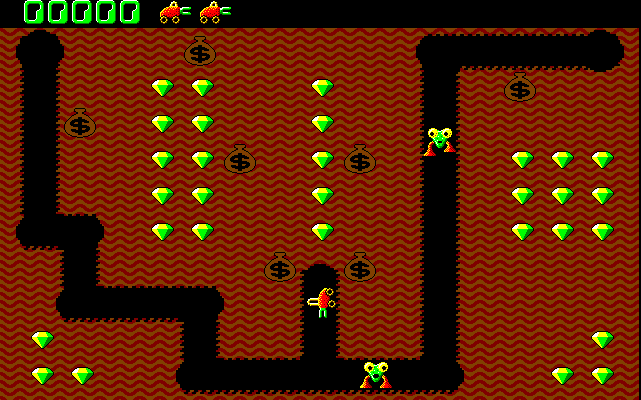
The earliest example of complete seduction by gaming that I can think of goes back to a computer game called Digger, released in 1983 by Windmill Software. I used to play it on so-called portable computers — much too large to be called laptops — that my dad brought home from work.

Digger was a Pacman-like game that involved collecting emeralds while avoiding goblins. Although simple in concept, the speed, difficulty, and intensity of the game grew with each passing level. Every time I lost my last Digger life, I began a new game with deepened resolve to improve on my best score and level.

Digger was released by Windmill Software in 1983

I could and would play Digger for hours if my parents allowed me to. 30 years after playing it, I remember the theme song and sounds of Digger like it was yesterday.

World of Warcraft (1990s)

I remember playing World of Warcraft II on desktop computers in the late 90s, during my university years. Now over 20 years old, this game from Blizzard Entertainment was a leader for its time.

When I played World of Warcraft, I was completely and utterly immersed in the game. I mean, I didn’t move, I didn’t snack, I didn’t think about anything else. My eyes darted here and there across the blue screen for hours as the mouse clicked away with constant urgency. I was all in.

As I recall them, games lasted anywhere between 1–2 hours. Inevitably, my civilization would be destroyed by another, stronger force. Dismayed, but convinced I could avoid the strategic errors of the game before, I would often start a new game and repeat the same thing all over again.

On such occasions I would typically stay up too late, defer important work, and avoid the company of others just to keep playing Warcraft.

Clash of Clans and Clash Royale (2010s)

Even in recent years, gaming has pulled me briefly into its vortex, this time on my phone. I jumped on the Clash of Clans and Clash Royale games from Supercell and found them both tremendously entertaining. These games are free to download and offer intense, competitive gameplay.

I knew I had problems with each of these games when I began paying for in-app purchases (paying real money for upgrades in resources or levels). Even worse, I found myself retreating from human company so that I could play. I was even tempted to check in on my games while at work.

Games Aren’t The Same for Everyone

This piece is not to say that gaming is morally wrong or carries some sinister power in itself. I recognize that many people enjoy a healthy and measured relationship with gaming that doesn’t encroach on more important values and priorities. But for me, the accumulation of small warning signs makes a too-compelling case to avoid games altogether.

A Losing Deal

Here, then, are the main reasons why I don’t game today.

  • The addictive quality. For me, gaming can become all-consuming in ways that other screen-related vices can’t. Your experience may be very different, but even the few and fun examples I’ve shared here reveal the compulsive power of games for me. These compulsive behaviors are typically followed by denial, dishonesty, and random disappearances — all strong signals of personal dysfunction.
  • The emotional crash. Have you noticed the irritation you face when you try to pull a gamer away from their games? Gaming tends to have that effect: it offers a nice high of stimulation but is often followed by lingering dissatisfaction. Any parent that asks gaming children to put away devices and get ready for bed is familiar with the snarly reception that can follow. I know the emotional letdown of putting the games away because I’ve lived it many times myself. It’s something I am simply a better man without.
  • The terrible return on time. Even vices like Netflix can expand my thinking or inspire imagination, and social media interactions can positively contribute to authentic human relationships. But in my experience, gaming contributes absolutely nothing of value to my life. Maybe it’s just because I’m getting older, but ROT (return on time) has become more important to me. Gaming is simply a bad deal.
  • Create> Consume. Just over a year ago, I decided to create more content. To take more risks. To be more vulnerable. To read more, write more, record more, publish more. And it’s been an exciting, growing, learning, and life-giving experience to do exactly that.

In stark contrast, I see gaming as the antithesis of learning, growth, and content creation. Instead of creating, it only consumes. Instead of enlightening my mind, it immerses me in a meaningless fog. Instead of contribution to community, gaming demands infinite time, energy, and resources.

Today, the choice is simple. I just don’t game at all. It’s not the conclusion everyone will or should reach.

But it’s the right path for me.

How does my journey with gaming compare with yours? If you’ve ever felt the pull of gaming, I’d love to hear your thoughts in the comments below.

Categories
Family Productivity Relationships Smartphones Social Media Technology Wellness

Instead of Screen Shame, Let’s Talk Screen Sense

“And every person there had their face stuck in a screen!” The last word always rings with a special condemnation.

Photo Credit: rawpixel.com

“… and all she did was stare at her phone the whole time!

The vitriol can get pretty heated in some quarters, coming in dark looks and blasts of righteous fury that our grandparents’ media never received.

You’ve heard similar comments. Reading between the lines, they suggest that screen time is wasted time, that to use one’s phone is to be obsessed with nonsense or to be hopelessly oblivious to the real world. As people look into their black mirrors—be it a mobile device, tablet, laptop, or television — they’re trading down.

Don’t Misunderstand

Now don’t mishear me or assume you know where I’m going here. This piece is not an unqualified green light for screens at the expense of all human interaction and relationship.

I believe it’s critically important to be fully present and invested in the lives of the human beings around us. There are times to put phones away, and sensible boundaries must be drawn to protect relationships. My family observes device-free dinners, and I don’t take my phone into the bedroom at night. I’ve been known to leave my phone at home when headed out for a family time or date night.

We’re doing the next generation a great disservice if we model an always on, always connected, screens-over-people lifestyle.

The Digital World IS the World

That said, the fact is that the digital world has become our world. Our relationship with screens is not some passing fad — it’s here to stay. Those of us that rely on devices for work may interact intermittently with screens throughout most or all of our waking days. And as we move forward, screen time will only continue to grow in ways that we cannot fully imagine or understand today.

Some of the apps that I spend the most time on each day, like Google Drive and Docs, are only a dozen years old. Where will we be in another dozen years? None of us can predict with certainty. What we do know with certainty is that digital technology and the infrastructure that supports it keeps improving. Your next phone will likely live on a 5G network, for example.

But wait — I’m not done.

Not Acceptance by Inevitability

The point here is not to simply throw our hands in the air and accept the onslaught of screens saying “See, we had no choice!” This is not a message of resigned acceptance by inevitability.

The deeper point to be made here is that screen time is more complex, more nuanced than we would like it to be.

By nature, we gravitate toward simple explanations of life. That’s why black and white dichotomies are so popular.

Here’s one you’ve heard: book time = good, screen time = bad.

Put under closer scrutiny, that rule just doesn’t hold any water. Reading a book can be a wonderful, intellectually stimulating act. Yet it can also be socially isolating and strictly consumptive. Depending on the content (as online), the effect can also be as morally corrupting or mind-numbing as any other medium (think Mein Kampf).

Is reading a book time well spent? As it turns out, the answer depends on context and content.

Screen Complexity

And so it is with screen time. It comes in many shades and varieties of value and virtue. Creation is different than consumption, interaction is different than isolation, and function is different than addiction. But all can happen on screens.

In any given day, I use screens to journal, set goals, check calendar events, read scripture, evaluate student work, plan lessons, write articles, edit audio recordings, publish podcasts, engage with other educators, message family and friends, read and write emails, manage shopping lists, order coffee, book reservations, record great quotes, take and share notes, listen to podcasts, manage finances, track my fitness, FaceTime my parents, follow the news, record photos and video, enjoy movies with my family, read books, and on and on I could go.

I’ve got to be real with you here. Even as I browsed my devices to compile that list, I had to fight the screen guilt. Which is kind of funny, but not.

Because when I scan that list of activities — far from an inclusive list, mind you — there’s nothing there that I would change. There’s nothing on that list that’s addictive, destructive, or damaging. It’s just what my life looks like in 2018. In fact, many of those activities actually facilitate some of my life’s most meaningful moments, achievements, and relationships.

Screen time conversations are never easy. As spouses, parents, friends, educators, and leaders, we must make thoughtful decisions around technology — for ourselves and often for others — on a daily basis.

Screen Guilt is Not the Solution

Whatever choices we make, living in a constantly conflicted state of guilt about screen time cannot be the solution. Instead, it’s about using screens strategically: creating more than consuming, connecting more than isolating, educating more than entertaining. It’s about deploying technology to strengthen our communities instead of weakening them, and building relationships instead of destroying.

It’s about living with screens judiciously. Transparently. Unapologetically.

Because it’s not about screen shame. It’s about screen sense.

Categories
Lifestyle Productivity Routines Wellness

Soul Sabbath: Finding Restorative Practices on Days Off

I’m engaging intentionally in rituals that revitalize my spirit.

Whether our work schedules are full-time, part-time, Monday through Friday, shift cycles, homemaker, or solopreneur, our bodies and minds require therapeutic rituals of restoration. We ignore this reality at our peril.

There are times when we all wish we had the endurance and tenacity of machines. When life’s realities confront us and we feel the plates of responsibility slipping, our response can be — like Boxer in George Orwell’s Animal Farm — “I will work harder.”

I will get up earlier, go to bed earlier, allow myself fewer moments of wasteful leisure, invest more in relationships, and just generally dig deeper to put every waking moment to productive use.

And yet, when we systematically deny ourselves opportunities for rest and rejuvenation, this approach inevitably fails. Sleep deficits start to accumulate. Stresses build. Our tempers grow short and our bodies succumb to illness.

As the fog of physical and mental fatigue sets in, our decisions become more irrational and selfish, and we lose the emotional margin required to invest with passion and energy in the people and priorities dearest to us.

We’ve all been there.

It’s from these experiences that I’ve learned to craft the sorts of cathartic experiences that my spirit needs each weekend. No, my weekends don’t perfectly resemble the strict adherence to sabbath instructed in the Abrahamic religions, but in my way I’m paying respect to the core principles of sabbath-keeping that these faiths advise and I believe our bodies and minds require.

With that said, here are some of the revitalizing Saturday rituals that most resonate with me. Some are small, some are more significant, but all contribute to a process of spiritual healing and rejuvenation that puts me in a good position for another week of productive work. My hope is that one or more of these may plant in you a seed of inspiration that leads to more life and catharsis in your days off as well.

  • Friday family fun nights. My weekend starts with spending quality time as a family. This might look like dinner at Chipotle, a walk at the beach or by the river, and a board game or movie (with Mom’s awesome popcorn, of course). The formula can be simple, but it’s the time together that counts.
  • Saturday morning sleep-in and reading. This is the one morning of the week that I can afford to sleep in until 8 or 9. Rather than launch immediately out of bed, this first hour is a great opportunity to lazily read my Kindle and cuddle with my partner. Both are wonderful.
  • Bakery and Starbucks. This family tradition is only a couple months old, but I like it a lot. By late Saturday morning, the four of us walk to a neighborhood bakery for fresh Italian flatbread and then hang out at our local Starbucks. This is what Gordon Neufeld calls “collecting” — the idea of emotionally connecting with our boys before we begin our own activities of the day. With a Pike in hand and feeling well-slept, I’m in the mood to chill for sure.
  • Family chores. No, our housework list doesn’t look like rest from a distance. But as I make the bed, fold and sort laundry, tidy up belongings, file papers, collect garbage, and clean our three bathrooms, I get into a very settled and centered headspace. While I’m doing these tasks, the rest of the family is doing their parts to clean every floor and surface of our home as well. It’s a house reset that satisfies.
  • Audio bliss. During all of my sorting and scrubbing, I’m listening to great audio content that I missed during the week: scripture, education podcasts, productivity podcasts, and even YouTube videos I’ve bookmarked on my ‘Watch Later’ list. If I can do some learning and growing while brushing a toilet bowl, that’s a win.
  • Purging. I try to take a few minutes each Saturday to perform a few simplifying activities. I might rid myself of a clothing item, a phone app that I no longer use, or a DVD that I haven’t watched in years. These activities only take a couple of minutes but are oddly satisfying. One of the hidden rewards of this ritual is that I’m forced to take stock of what I do have and inevitably rediscover some treasures in the process.
  • Date time. Saturday nights are dedicated to keeping the fires of love burning! Date Night often includes Happy Hour at our favorite restaurant, some financial budgeting, calendar updates, long-term planning, and decision-making. Once these gnarly but important bits are done, we try to go for a walk together — outdoors, weather permitting.
  • Chill time. Saturday is really our one guilt-free Netflix session of the week. Although it’s a challenge for my wife and I to find a title we’re both interested in seeing sometimes — our Netflix profiles are ridiculously different — we can usually find a compromise and enjoy some screen time together. Some Saturdays, we spend late-night wine time with other couples and build relationships in cozy living rooms — every bit as good as Netflix.
  • Sexy times. Ha, let’s face it — we all wish we could have more of these. If you’re in a committed relationship, you know the connecting quality that only physical intimacy can provide. If it’s not happening on the weekends or your valuable days off, it may not be happening at all. My wife and I value our relationship too much to let that happen. Thus, weekends = magic.
  • Worship. The restful elements of my weekend are capped on Sunday mornings by awesome times of worship with my family and church community — perhaps the most life-giving ritual of all. We pray, sing, reflect, learn, encourage, laugh, talk, and build relationships. As we leave the neighborhood school facility that houses our faith community, my heart is always full and encouraged.

Once this worship time is over, I’m immediately back into work mode: publishing my latest episode of the Teachers on Fire podcast, responding to emails, evaluating student work, planning for the school week ahead, studying for my Master’s degree, and any number of other workish activities that get caught up in the swirl of life. It’s fully game on.

Rest time is over … but if all of these restorative practices are behind me, I’m feeling fully emotionally, physically, and spiritually charged and ready to go.


Where are you on this business of recharging? Do you set aside time for cathartic practices on your days off, or do such moments prove elusive in the face of competing priorities? Do you have a life-giving ritual on your days off work that you would recommend? Let me know in the comments below.

Categories
Growth Mindset Lifelong Learners Productivity Reading Technology

7 Reasons Why You Should Own a Kindle

This device has single-handedly redefined my reading life and put my learning in overdrive.

Last year my wife bought a Kindle. I was unimpressed — largely because I’ve always been a big fan of the physical properties of my books. Whether it’s the quiet authority of hardcovers, the friendly personality of my flexible paperbacks, or the way my pens and highlighters connected me with the works I so admired, I wasn’t about to trade my connection with physical books for the unfeeling grey void of a digital screen. No freaking way.

But another reality was also at work at the time — a definite dissonance between my ideals and my reading reality. Even as an English major, an educator, as someone who actually writes for fun and genuinely geeks out over the artistry of wordcraft and prose, I just wasn’t reading the way I wanted to.

I mean, I thought of myself as a reader. And I actually was reading here and there, now and again. But I wasn’t actually making the sustained kind of cover-to-cover progress that I knew I wanted and needed in my life.

Time wore me down. Slowly but surely, the initial distaste I felt for my wife’s e-reader subsided. Finally, awash in required reading for my graduate studies, I caved and hit purchase.

And my reading has been forever transformed. That’s not an overstatement.

Here are the seven reasons why you too — and I’m looking at YOU, devout disciple and loyal defender of paper books — should venture out to the digital dark side and treat yourself to the Kindle experience.

1. It’s made for a powerful bedtime reading routine.

The light on the Kindle screen can be turned incredibly low and soft, so it’s easy on the eyes and doesn’t stimulate artificially the way the blue light from phones and tablets is prone to do. It’s incredibly lightweight and maneuverable, so yes — that hardcover Sherlock Holmes anthology is now a possibility at bedtime. I even like the unique slightly-gritty feel of the Kindle screen — a different sensory experience than the glass surfaces of our phones and tablets. And since it requires no lamp, it doesn’t keep my partner awake. Put simply, a comfortable bedtime reading routine has meant that I now read virtually every single day.

2. It tracks and stores all of my highlights.

I’ve been a highlighter since my undergrad years. I know not everyone takes in content this way, but I absorb nonfiction works in terms of gems and big ideas that I can return to, reflect on, and remix. When I realized that every one of my highlights was automatically synced and stored in my Goodreads profile, I couldn’t believe my good fortune.

Now, every inspiring line, every memorable quote, and every motivating concept is saved for me to tweet, share, email, post, and reflect on further. The same convenience applies to any book-based academic research. An absolute game-changer.

3. It lets me travel light.

I’ve got a funny story here. A few years ago I paid my parents a visit in another city. While staying with them, I hit a bargain book store and cleaned up. But my book savings cost me dearly at the airport when I went to fly back home — my suitcase was grossly overweight and I paid a heavy surcharge.

Now, packing a suitcase of books is admittedly a pretty dumb move and I’m sure not your reality. But I suspect you’ve felt the pain of having to narrow down your reading to 1–2 titles when hopping on a flight. With your Kindle, you’ll never have to reject your lovelies again.

4. Its real-time progress reports are strangely motivating.

Call me a stats nerd, but yes — I sleep better knowing I’ve read 2% more of Atomic Habits or Balance Like a Pirate before heading to bed. Maybe it’s just my own nerdy ritual, but it’s become so satisfying to nudge those percentages higher each and every day as I push my way through books large and small. Some nights I hit the hay utterly exhausted. But I’m never too tired to read 2% of a book.

5. It offers the Amazon advantage.

Come on — it’s Amazon! Because I’m logged into my Amazon account at all times on my Kindle, I’m able to add any book on the market in less than a minute.

Sure, you can point to the consumerism or impulsive spending tendencies that such power facilitates. But honestly — that’s pretty awesome power.

You’ve already embraced on-demand music on iTunes and on-demand video on Netflix. Why not embrace on-demand reading? It’s there at your fingertips.

6. Its cloud access extends across all devices.

Like you, I’m not such a big fan of reading books on my phone or PC. But the reality is that you’ll be caught Kindle-less on occasion. And you know what? Instead of checking email or surfing social media while sitting six carts deep in a Costco check-out line, you just might prefer the option of reading Brene Brown’s Dare to Lead. Admit it — it’s a nice option to have.

7. It’s ALL your books, ALL the time.

At the end of the day, the Kindle case comes down to the simple but profound experience of having all your books with you at once. Limitless, comfortable, and convenient reading that can’t be more accessible. That’s it.

Yes, going with an e-reader is a paradigm shift. It took me a while to choose screen over paper. But thanks to my Kindle, I’m now reading more often, finishing more titles, and learning and growing in ways that I never imagined possible.

And I get it — you love your paperbacks. But my advice is to give this powerful device a chance. It just might rekindle the reader inside you and ignite a passion for learning and imagination that you never knew existed.

Still not a Kindle convert? Let me know why in the comments below! Thanks for reading.

Categories
Content Creation Creativity Mindset Productivity

Mandate to Create: 6 Reasons to Write Over Netflix

When it comes to leisure time, the choice often comes down to creating or consuming.

@TimCavey on Instagram

I enjoy Netflix as much as the next person. There’s nothing like settling in at the end of a long day to the drama of Narcos or the amusement of The Office. My affection for the world’s greatest video streaming service hasn’t gone away, and there will always be a time and place.

But I don’t watch Netflix as much as I used to.

Last spring I made a personal commitment to create more and consume less. It was a significant shift, and I’m happy to say it’s stuck.

Since then, I’ve come to view my time differently. Among other things, I’ve reordered my days to go to bed earlier (ie. less Netflix) and get up earlier (ie. more creative time).

The results have been transformative.

This isn’t a dump on streaming video services. I’ll always save some room in my schedule for entertainment experiences — particularly those shared and enjoyed with family. But my priorities and management of time have permanently changed. Now, when scraps of discretionary minutes emerge, consuming media is no longer one of my first thoughts. Instead, it’s creation.

What I mean by creative work

For some, creation looks like cooking or gardening. For others, it’s vlogging, composing music, or building boats. For my wife, it’s carpentry. Creation takes many forms.

For me, creative work has taken the forms of writing and podcasting. Over the last year, these two activities in particular have energized me, inspired me, and redefined my ideals. I’ve created more content than ever, and I feel like I’m just getting started.

Create > Consume

I’m an eighth grade teacher, and one of the signs on my classroom door reads “Create> Consume.” It’s become my mantra and a regular rant. Our digital natives are keen on consuming, but what are they creating? That’s the challenge I put to them regularly.

Lately I’ve started the business of unpacking the motivation that now drives me to create first and consume later. Why do I spend valuable minutes crafting sentences and recording interviews instead of watching the next episodes of Black Mirror?

6 Reasons why ‘Create> Consume’ has become my paradigm

  1. Creation is cathartic. For me, writing is my jam. It’s rejuvenating — a deeply enjoyable deconstruction of all those fleeting wonders, regrets, and ruminations that appear randomly in my consciousness but don’t have the chance to take full form, definition, and expression on their own. It’s a process that helps me look squarely at life experiences, critically reexamine my positions, and thoughtfully clarify my intentions. It’s an experience that helps me know and understand myself. At the completion of every written piece or journal entry, I feel a sense of satisfaction and renewal. Whether you’re writing a song, planting flowers, or building a coffee table, there’s something cathartic about pouring an authentic part of yourself into a product.
  2. Creative work makes the world a better place. Creative activities contribute things of beauty and utility to our world. If consumption is an act of taking, creation is an act of giving. Sure, by watching The Office for the fifth time I’m not harming anyone — I’m simply enjoying the creative labours of others. But how can I actually add value to the world around me? How can I help, inspire, teach, amuse, or positively provoke others to action? Creative actions offer the power of betterment.
  3. Creation builds impact and legacy. Gary Vaynerchuk talks about how legacy is currency — how he measures the impact of his life not by how much money he makes but by how many people come to his funeral. Creation is not about earning cheap applause or padding one’s ego before death, but it is about making a dent in the universe. Creative activities have the power to change the environment and — if we create with persistence and excellence — leave a lasting positive impact. Brendon Burchard sums up our mandate this way: live, love, and matter. I like Netflix, but I don’t want my viewing to be part of my legacy.
  4. Creativity has become a critical skill. Our evolving economy has less need for automatons, more need for creativity, innovation, and problem-solving. Progressive school curriculums across the planet are shifting from content acquisition to skills development, from memorization to mindset. Design thinking and makerspace movements are pushing young learners toward cycles of ideating, prototyping, testing, and making that will guide them throughout life. It’s never too late to start developing the skills and habits of mind that make us more relevant, helpful in service, and valuable in the marketplace.
  5. Creative work produces personal growth, expertise, and self-actualization. When we shift our minds and energies from ‘entertain me’ mode to creation mode, we tap into our true talents and strengths. We connect with our life’s purpose and our deepest passions. We engage in activities of personal meaning and significance. We face our deepest fears, challenge our intellect, embrace uncertainty, and take calculated risks. We reinforce previous abilities and — through repetition, adaptation, and improvisation — we refine our craft and create with stronger proficiency over time. If 10,000 hours is the measure of a master, every minute invested on that formative journey is well-spent. The creative process helps us feel alive.
  6. Creative work builds new relationships and broadens opportunities.Writing and podcasting have connected me with people around the world that I never imagined possible just a year ago. Because most creative work takes us into the marketplace of ideas, we’re drawn out of our comfortable silos and into new relationship with others. The internet age allows us to connect with like-minded makers, creatives, and audiences the world over, and those relationships connect us exponentially with new learning and opportunities.

“Creativity is not a ‘talent,’ like the ability to run fast. Creativity is what makes us human. Creativity is what makes us happy. And creativity is something you can nurture, expand, grow, and learn.” — from Intention: Critical Creativity in the Classroom, by Amy Burvall and Dan Ryder

Creative work isn’t always easy, or safe, or comfortable. But it’s worth it. It’s in our design, our destiny. We were made to create. So get started.

What creative activity or project have you been dreaming about but have yet to put into action? I’d love to hear about it. Please comment below.


Categories
Business Communication Entrepreneurship Productivity Smartphones Social Media Technology Twitter

5 Reasons to Niche Down on Twitter

Why multiple Twitter accounts will actually simplify your life and improve your focus.

Photo credit: rawpixel on Unsplash

You like Twitter, but you’re using one account for news, politics, sports, humor, inspiration, and work. You can do better — a lot better. To fully optimize your Twitter experience, you need to create niche accounts. Confused or unconvinced? Here’s the what, how, and why.

What I Mean

What I’m recommending is that you create multiple Twitter accounts — preferably one for every major domain in your personal and professional life. Start with two or three and then consider adding from there. Here’s why.

5 Reasons Why You Need to Niche Down on Twitter

It lets you stay in one headspace at a time.

I’m a teacher. When I want to look for education inspiration, I open my teacher Twitter account. I don’t want to see sports headlines or the latest comments from Donald Trump. I want to read education gold that will continue to inspire and transform my practice. By only following committed educators in this account, I set parameters for the content I see in my feed.

You’ll tweet to an audience who cares.

My sports fan network doesn’t care about the latest big ideas from my teachers’ conference, and my education network doesn’t want to hear about how my favorite team is doing in their big game. Misdirected tweets will only irritate your audience and cost you followers. Instead, add value to your network by tweeting the right content to the right audience.

It supports intentionality on social media. 

I have a handful of accounts at the moment, but I’m only checking a few on a regular basis. Other accounts are for occasional amusement and take up little of my attention. Since my Twitter time is limited throughout the day, I want to be able to make thoughtful and discriminatory choices about which content I’m consuming and where I’m engaging.

It facilitates professional networking. 

I use my professional and podcasting Twitter accounts to reach out to other educators via direct message. That works very well when I use niche professional accounts that make it very clear who I am and what I’m all about. I suspect that wouldn’t work as well coming from my sporting account.

It’s convenient. 

Despite what you might expect, it’s not much of a hassle to flip back and forth between accounts. The Twitter app makes it quick and easy, so don’t let the hassle factor discourage you.

Nothing but Wins

It’s been a few years since I split my Twitter presence, and I absolutely love it for all the reasons listed here. My content, engagement, and feeds have never been richer or more focused.

If you’re looking to get more out of Twitter, it might be time to niche down.